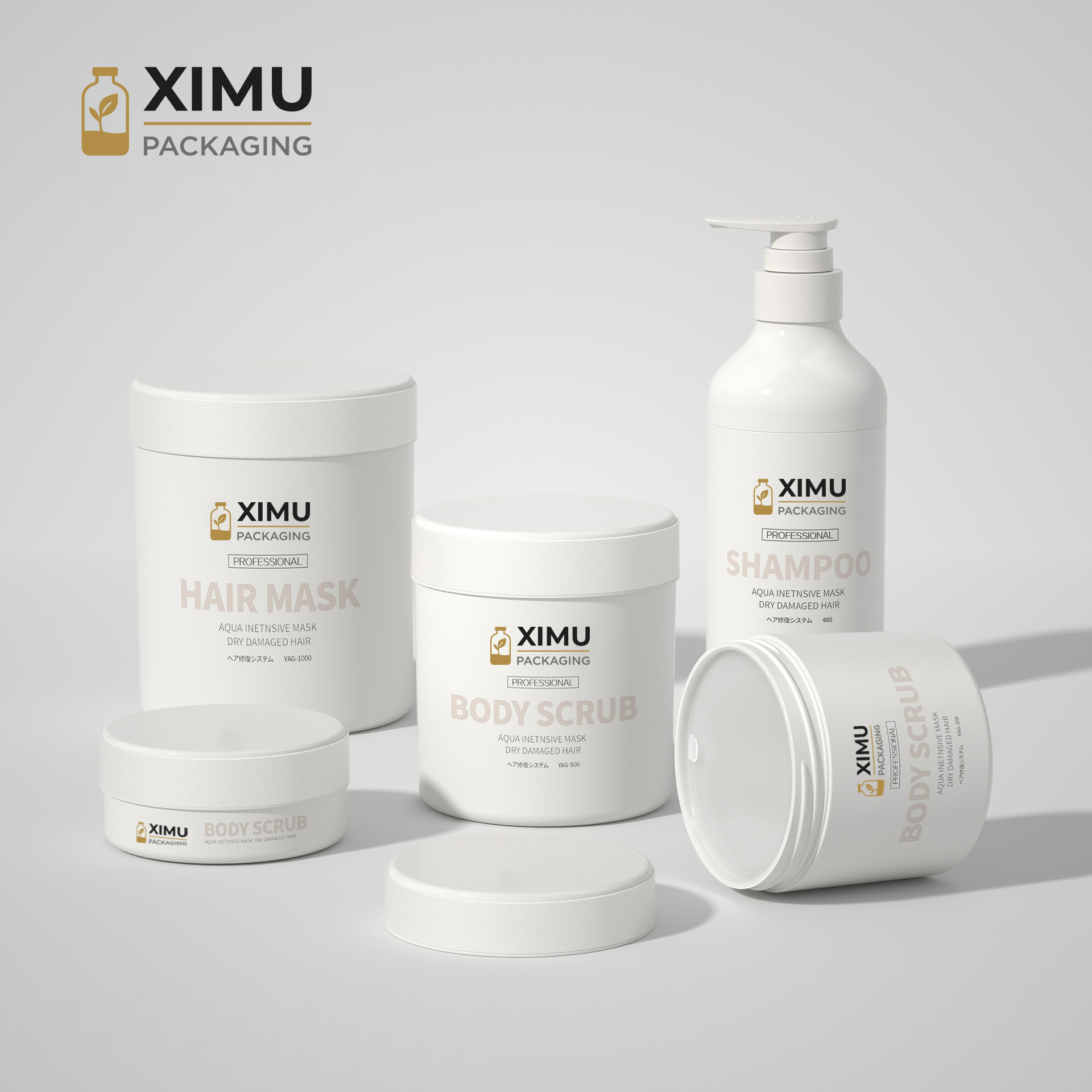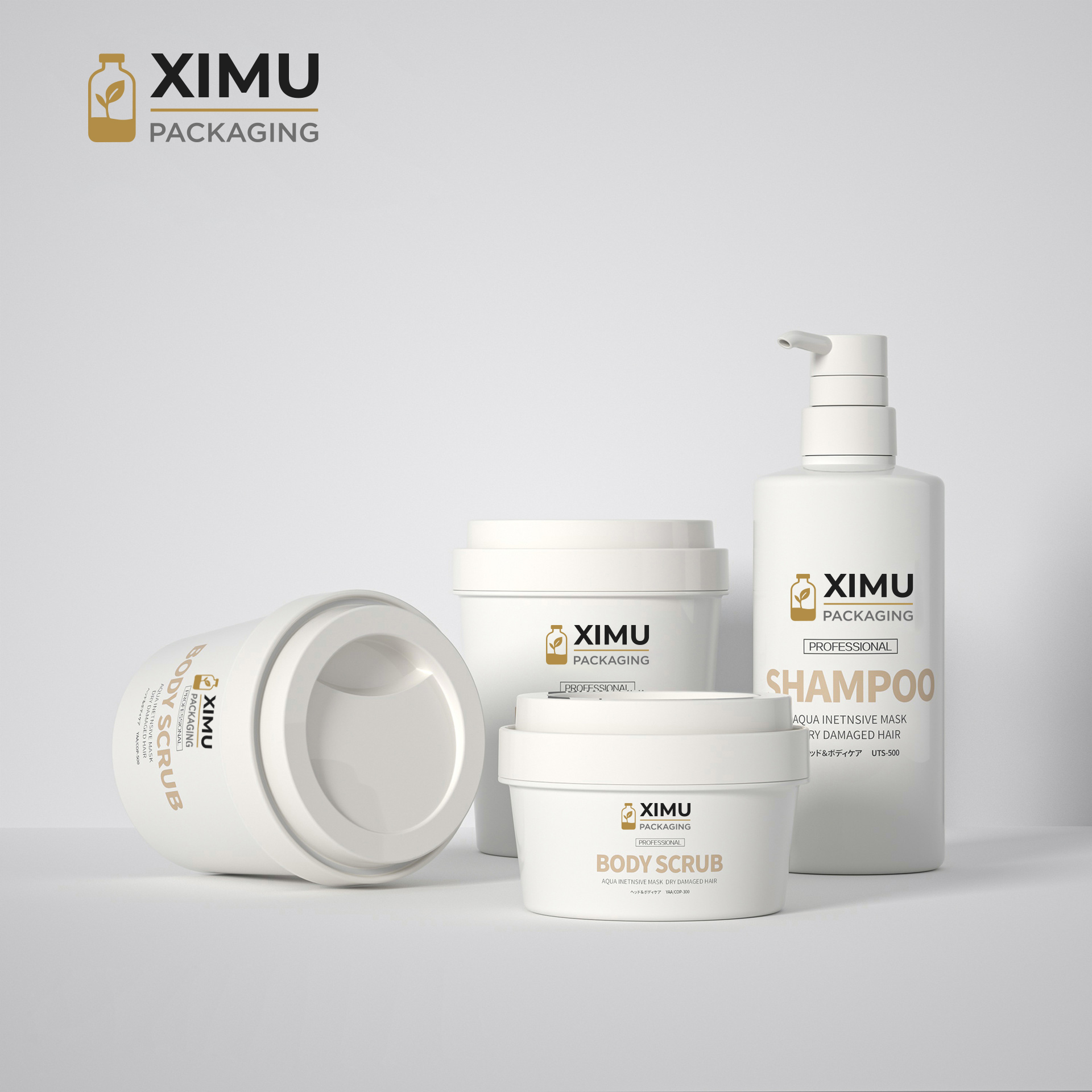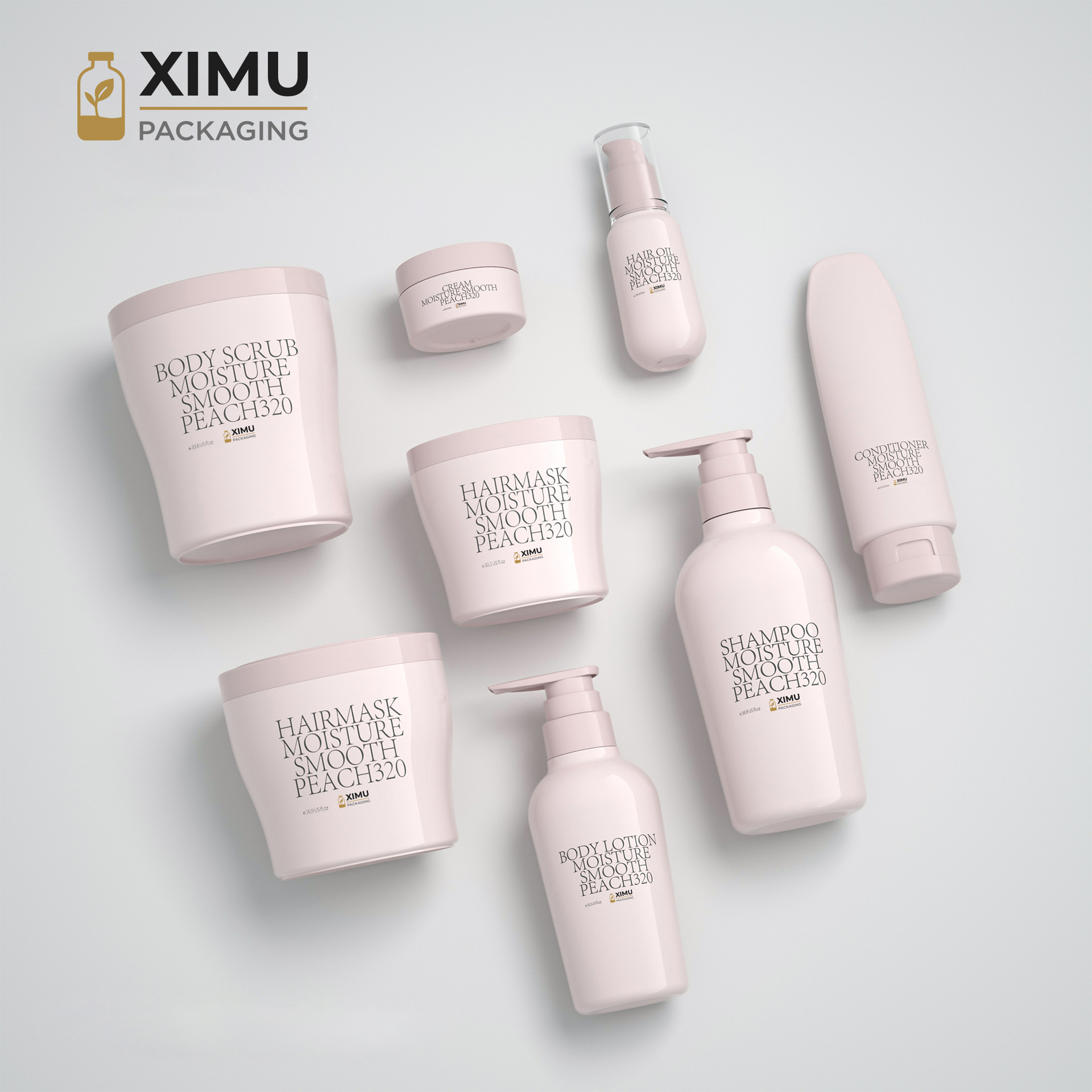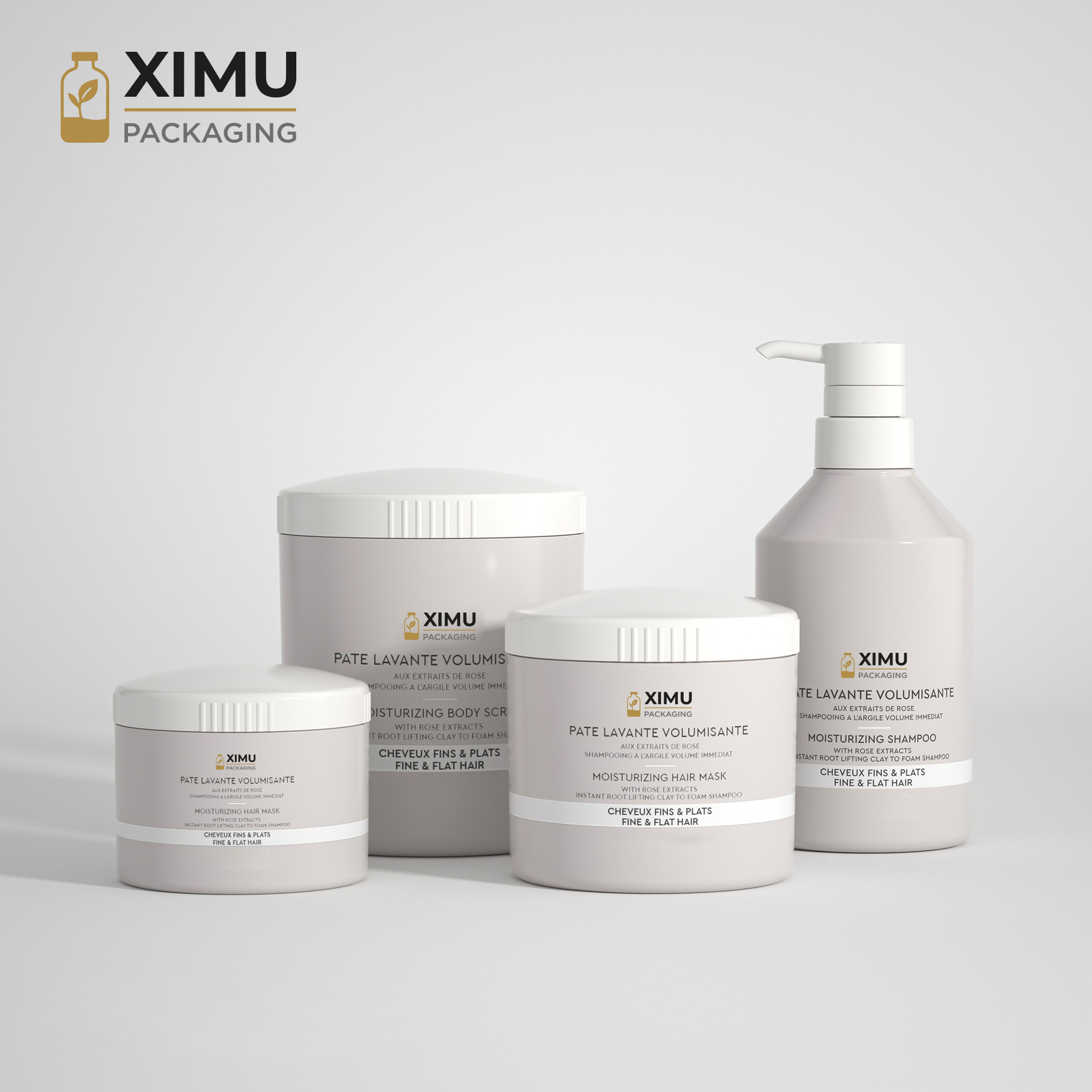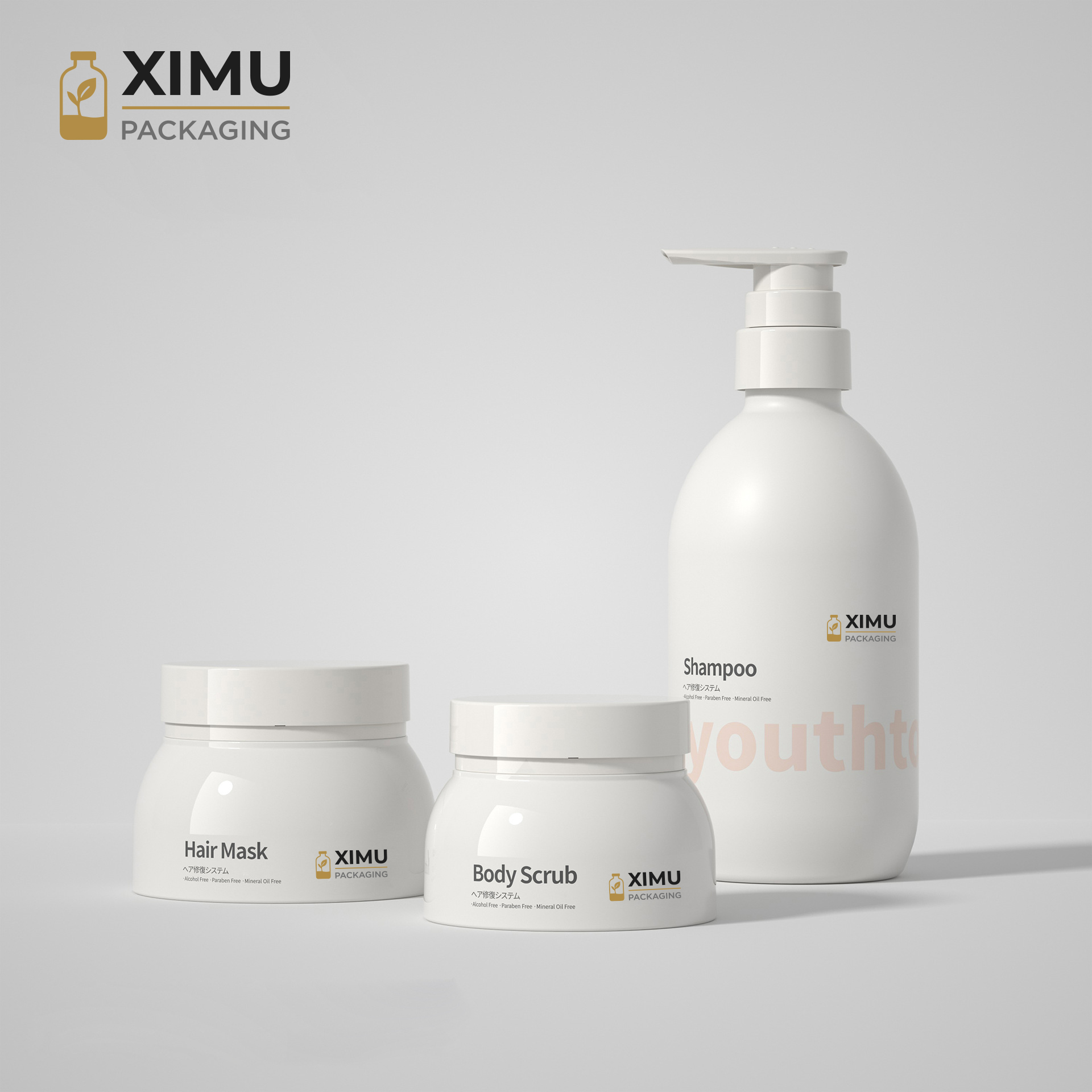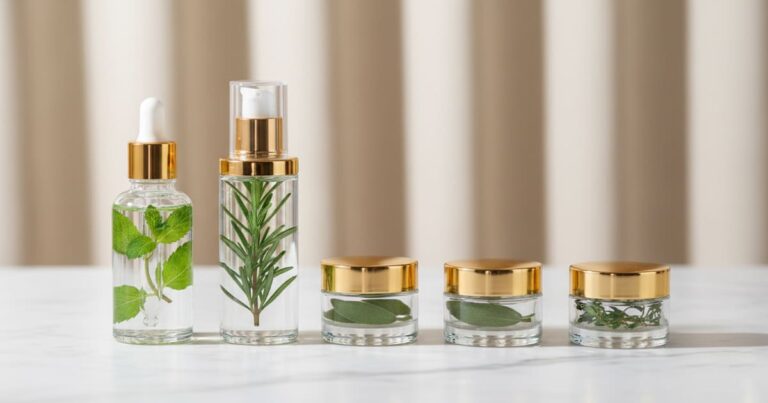
In the rapidly shifting landscape of 2026, packaging has transcended its role as a mere container. With EU PPWR mandating 50% recycled content by 2030 [EU Commission] and 78% of luxury consumers willing to pay 15%+ premium for glass [Mintel 2025], the industry is at a crossroads. For the modern brand director, the decision to lead with luxury glass cosmetic bottles is no longer just an aesthetic preference—it is a strategic alignment with the future of the circular economy. At Ximu Packaging, we believe that mastering this transition requires a balance of data, engineering, and a deep understanding of the consumer psyche.
Beyond the Trend: The Urgency of Sustainable Skincare Containers
The “Plastic-Free” movement has evolved from a grassroots trend into a hard regulatory reality. As we approach the 2030 sustainability milestones, the pressure on brands to move away from virgin petroleum-based materials is intensifying. However, this shift offers a unique opportunity: by adopting sustainable skincare containers now, brands can “future-proof” their product lines against upcoming carbon taxes. Glass isn’t just a safe harbor from regulation; it is the cornerstone of brand longevity.
The Science of Trust: Unrivaled Product Integrity
While external optics drive the first purchase, what happens inside the bottle builds lifelong loyalty. This is where the technical superiority of glass becomes a brand’s greatest ally. Because glass is chemically inert, it creates a sanctuary for your formula. Unlike certain polymers, high-quality glass serum bottles ensure that sophisticated active ingredients—such as Vitamin C or delicate Retinols—remain exactly as your chemists intended, protected from leaching and contamination.
Glass vs. Plastic: Data-Driven Decision Matrix
For luxury brands, the million-dollar question remains: “Is glass truly superior to plastic, or is it just about the ‘feel’?” To answer this, we must look at the technical data.
| Property | Glass | HDPE | PET | Winner |
|---|---|---|---|---|
| Chemical Inertness | ⭐⭐⭐⭐⭐ | ⭐⭐⭐ | ⭐⭐⭐ | Glass |
| Oxygen Barrier | ⭐⭐⭐⭐⭐ | ⭐⭐⭐ | ⭐⭐⭐⭐ | Glass |
| UV Protection | ⭐⭐⭐⭐⭐ | ⭐ | ⭐⭐ | Glass |
| Infinite Recyclability | ⭐⭐⭐⭐⭐ | ⭐ | ⭐⭐ | Glass |
| Luxury Perception | ⭐⭐⭐⭐⭐ | ⭐⭐ | ⭐⭐⭐ | Glass |
| Transport Efficiency | ⭐⭐ | ⭐⭐⭐⭐⭐ | ⭐⭐⭐⭐ | Plastic |
Strategic Takeaway:
- ✅ Where Glass Wins: Photosensitive formulas (Retinol, Vitamin C), high-end brand positioning, and products requiring a long shelf life.
- ✅ Where Plastic Wins: Large-capacity body care, travel-sized kits, and e-commerce-heavy brands prioritizing low shipping costs.
Curious about sustainable plastic alternatives? Read our PCR Plastic Cosmetic Packaging Guide to see when recycled plastic complements your glass strategy.”
The Weight of Quality: Luxury Psychology
The transition from technical performance to consumer perception is where glass truly shines. There is a profound psychological connection between tactile weight and perceived value. When a customer holds a heavy-walled luxury cosmetic jar, the brain instantly registers “investment” rather than “disposable.” Its crystalline clarity provides a visual invitation that only high-quality flint glass can extend, turning a simple purchase into a premium ritual. However, the perception of luxury must not come at the cost of the planet.
Sustainability: The Balanced Reality of Glass
The sustainability of glass is often misunderstood. It is not a “magic bullet,” but it offers hardcore environmental advantages when managed correctly.
The Hardcore Advantages of Glass:
- ✅ Infinite Recyclability: Unlike plastic, which degrades after 3–5 cycles (downcycling), glass can be recycled indefinitely without losing purity or quality.
- ✅ PCR Glass Impact: Utilizing 20–60% Post-Consumer Recycled (PCR) glass reduces manufacturing energy consumption by 25% and CO₂ emissions by 20%.
- ✅ The Refill Revolution: By pairing a permanent glass outer shell with a replaceable inner pod, the Life Cycle Assessment (LCA) becomes significantly superior to single-use plastic.
The Honest Challenges:
- ❌ Production Energy: Manufacturing virgin glass requires approximately 3x more energy than plastic.
- ❌ Logistics Carbon Footprint: The weight of glass increases transportation fuel consumption and costs by roughly 30%.
The Ximu Solution:
- Regional Production: Minimizing long-haul transport to reduce “carbon miles.”
- Lightweighting Technology: Reducing glass weight by 15% while maintaining structural integrity.
- Refill Systems: Designing “1 Glass + 5 Refill” cycles to maximize the material’s lifespan.
From Concept to Shelf: Ideal Applications
Choosing glass is only half the battle; the other half is matching the formula to the right vessel architecture.
- Serums and Essences demand high-clarity glass to showcase product purity.
- Face and Eye Creams find their home in recyclable glass jars with substantial bases, creating a majestic presence on a vanity.
- Eco-friendly perfume packaging requires high-refractive glass that plays with light, amplifying the luxury of the scent itself while adhering to modern environmental standards.
Reality Check: Glass Decision Framework
Glass is not a universal solution. Brand directors need a pragmatic framework to decide when the investment is justified.
Glass Decision Matrix:
| Scenario | Use Glass? | Rationale | Best Alternative |
|---|---|---|---|
| Unit Price >$80 | ✅ Mandatory | Price-Value Alignment | – |
| Photosensitive Formula | ✅ Primary Choice | Formula Stability | Amber PET |
| Travel/TSA Friendly | ❌ Avoid | Fragility & Weight | PCR Plastic |
| Capacity >200ml | ❌ Use Caution | High Logistics Cost | PCR HDPE |
The Ximu 3-Step Checklist:
- [ ] Margin: Gross margin ≥40%?
- [ ] Formula: Light-sensitive actives (Vit C, Retinol)?
- [ ] Lifecycle: Refill/return strategy planned?
Pro Tip: If you are transitioning to glass, start testing with 30ml trial/sample sizes to gauge customer feedback and shipping durability before a full-scale rollout.
Ximu Customization: The Art of the Finish
Once the vessel is selected, customization transforms it from a generic bottle into a brand icon. At Ximu, we treat luxury glass cosmetic bottles as a canvas for high-end engineering.
| Technique | Effect | Best Brand Type |
|---|---|---|
| Frosting | Matte, fingerprint-proof | Spa/Minimalist |
| Hot Stamping | Metallic luxury | Heritage |
| Internal Lacquering | Depth/glow effect | Modern Premium |
2026-2030 Glass Trends: The Road Ahead
- PCR Glass 60%+: High-percentage recycled content will transition from a “niche feature” to a mandatory industry standard.
- Smart Refill Integration: NFC-enabled glass bottles will allow brands to track refill cycles and reward consumer loyalty.
- Hybrid Innovation: Combining glass bodies with bio-based pumps and bamboo closures to eliminate fossil-fuel plastics entirely.
- EU PPWR Impact: New European Packaging and Packaging Waste Regulations will mandate higher recycled content, driving a massive surge in demand for high-quality PCR glass.
Conclusion: Leading the Sustainable Shift
The transition to sustainable luxury is your opportunity to redefine your brand’s relationship with both the consumer and the planet. Eco-friendly perfume packaging and recyclable glass jars are the media through which that commitment is most clearly communicated. Ximu Packaging is here to provide the data, engineering, and craftsmanship to make your transition successful.